


Laparoscopy for Infertility – A Complete Step‑by‑Step Guide
- Home
- laparoscopy for infertility
Introduction – Understanding Laparoscopy for Infertility
Infertility is one of the most challenging journeys for couples today. When non‑invasive tests like ultrasound, blood work, and HSG don’t clearly identify the cause, laparoscopy for infertility becomes a crucial next step. This minimally invasive procedure allows reproductive specialists to visualize, diagnose, and treat underlying conditions that block natural conception or reduce fertility success rates.
In this guide, we’ll walk you through the entire laparoscopy process, from consultation to recovery, explain its benefits as a diagnostic laparoscopy infertility tool, and illustrate how it can improve your chances of conception.
What Is Laparoscopy for Infertility?
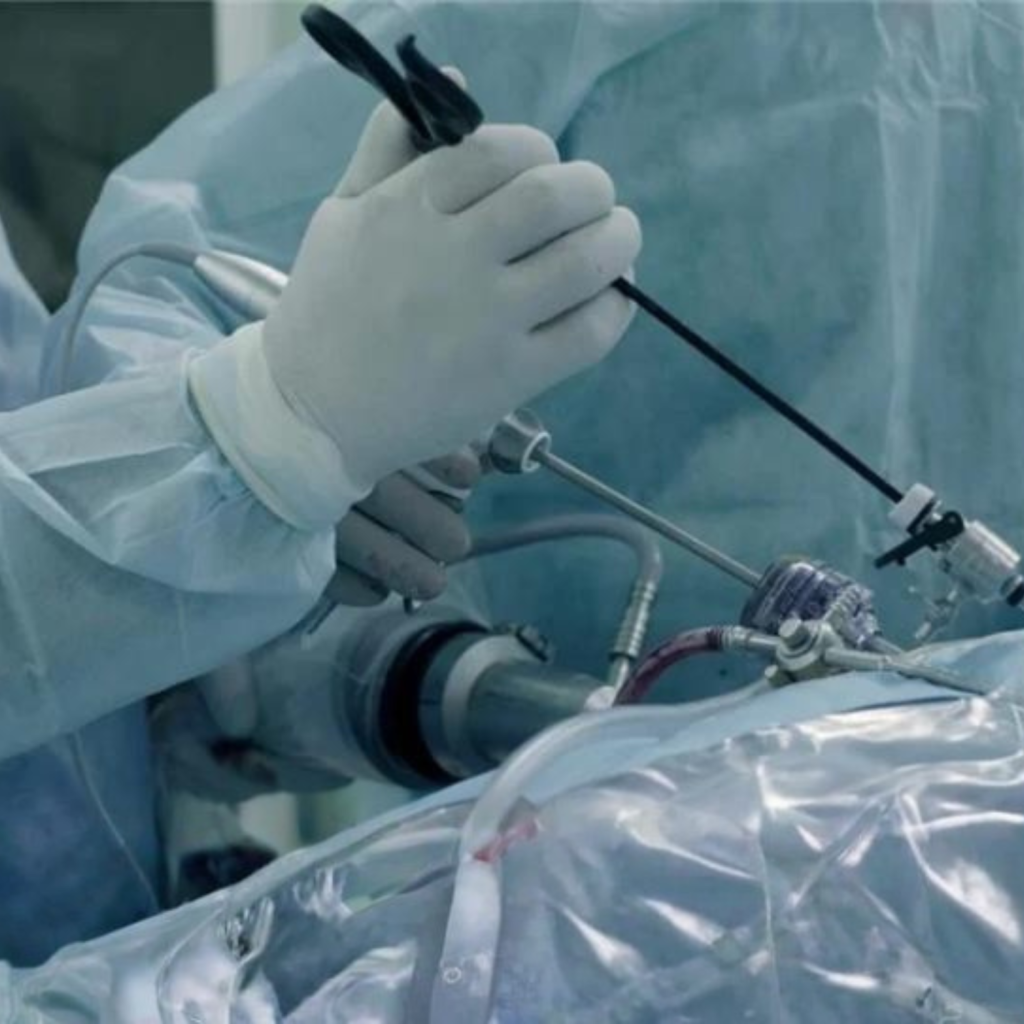
Laparoscopy for infertility is a surgical technique that involves inserting a thin telescope‑like instrument (laparoscope) into the abdominal cavity through a small incision. The surgeon gains a magnified view of the pelvic organs, ovaries, fallopian tubes, uterus, and surrounding tissue enabling accurate diagnosis and treatment.
This procedure is both a diagnostic laparoscopy infertility tool (to find the cause) and a therapeutic laparoscopy for infertility procedure (to treat the cause during the same surgery if possible).
Why it matters: Some fertility‑blocking problems cannot be diagnosed by imaging alone. Conditions like endometriosis, adhesions, or blocked tubes may only be visible with direct visualization.
Why Is Laparoscopy Important in Fertility Evaluation?
Laparoscopy for infertility plays a crucial role when:
- Routine investigations are inconclusive
- You have a history of pelvic pain
- Suspected endometriosis or adhesions
- Previous pelvic surgery or infections
- Suspicion of tubal blockages
- IVF or IUI hasn’t worked as expected
It provides unrivaled insight into the pelvic cavity compared to non‑surgical imaging tests and often enables simultaneous treatment of the identified issue.
Key Roles:
- Accurate evaluation of reproductive organs
- Confirmation of suspected fertility issues
- Providing treatment options in the same session
- Determining the best personalized fertility pathway
Laparoscopy Process for Infertility
Pre-Procedure Evaluation
Before proceeding with laparoscopy for infertility, your fertility specialist will conduct a thorough pre-procedure assessment to ensure accurate diagnosis and patient safety. This evaluation typically includes:
- Reviewing your complete medical and fertility history
- Performing relevant imaging tests
- Conducting blood tests and hormone evaluations
- Discuss symptoms like pain or irregular cycles
Preparing for laparoscopy for infertility usually also includes optimizing your health, controlling any infections or metabolic imbalances, ensuring a healthy BMI, and eliminating lifestyle‑related fertility barriers.
Day of the Procedure
Laparoscopy for infertility is typically done under general anesthesia.
Here’s what happens:
- A small incision is made near the belly button.
- Carbon dioxide gas gently lifts the abdominal wall for a clearer view.
- The laparoscope (tiny camera) enters through the incision.
- The surgeon inspects the ovaries, fallopian tubes, uterus, and pelvic tissue.
At this point, if issues like adhesions, endometriosis, or mild tubal blockages are found, a therapeutic laparoscopy for infertility may be performed immediately.
Diagnostic Visualization
Once the laparoscope is in place, the doctor carefully evaluates the pelvic organs to identify hidden causes of infertility. During this step, the specialist will:
- Examine tubal patency
- Look for pelvic scarring or adhesions
- Assess signs of endometriosis
- Evaluate ovarian appearance and cysts
- Examine surrounding pelvic organs
This direct visualization of the reproductive organs provides a level of diagnostic accuracy that imaging tests alone cannot achieve, significantly reducing the risk of undiagnosed infertility causes and helping doctors plan the most effective treatment approach.
Therapeutic Intervention (If Needed)
If the surgeon identifies any correctable fertility-related issues during the procedure, treatment can often be performed in the same laparoscopic session, reducing the need for additional surgeries. These therapeutic interventions may include:
- Removing endometriotic tissue
- Releasing pelvic adhesions
- Treating blocked or twisted fallopian tubes
- Performing cystectomy for ovarian cysts
This dual advantage of diagnosis and treatment makes laparoscopy a highly effective approach compared to purely diagnostic procedures, helping improve fertility outcomes while minimizing recovery time.
Recovery After Laparoscopy
After the procedure:
- Most patients go home the same day
- Expect mild shoulder or abdominal discomfort
- Complete recovery usually takes 1‑2 weeks
- Follow‑up is essential for results and next steps
Your fertility specialist will discuss whether you proceed with natural conception attempts, timed intercourse, IUI, or IVF based on laparoscopic findings.
Advantages of Laparoscopy for Infertility
Accurate Diagnosis
Direct visualization of abnormalities that imaging may miss
Simultaneous Treatment
Reduces need for repeat surgeries
Minimally Invasive Fertility Surgery
Less scarring, faster recovery
Improved Fertility Outcomes
Especially for endometriosis and tubal issues
Helps Personalize Fertility Plan
Better guidance for IVF/IUI decisions
Minimally invasive fertility surgery like laparoscopy can be a turning point, especially when previous treatments didn’t reveal a clear cause of infertility.
Who Should Consider Laparoscopy for Infertility?
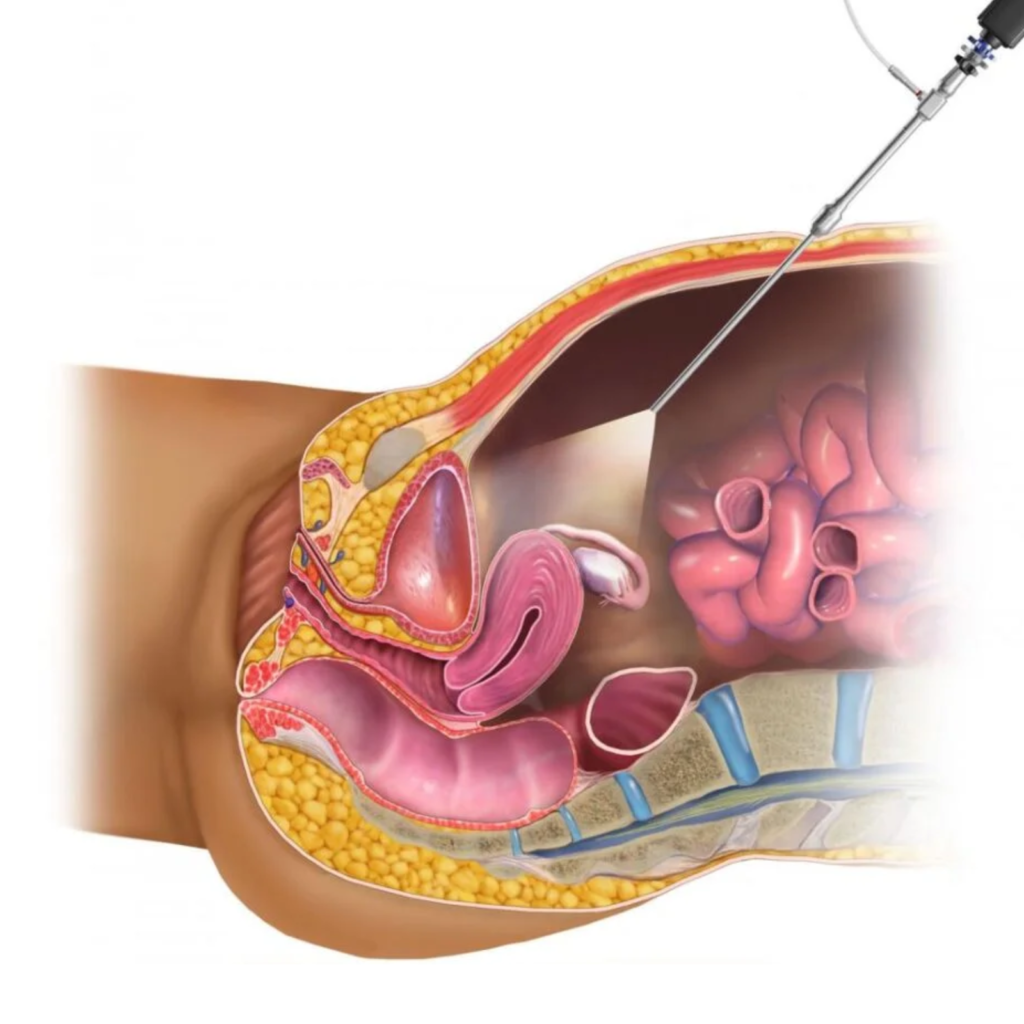
Laparoscopy for infertility is often recommended when specific symptoms or medical histories suggest an underlying pelvic or reproductive condition. You may be advised to consider this procedure if:
- You have unexplained infertility even after routine fertility tests show normal results
- Painful periods or chronic pelvic pain suggest the presence of endometriosis
- Previous pelvic surgeries or infections increase the risk of adhesions or scarring
- Fallopian tube conditions are suspected, such as blockages or twisting
- A definitive diagnosis is required before proceeding with advanced fertility treatments like IVF or IUI
In some cases, laparoscopy may also be suggested prior to assisted reproductive procedures when structural abnormalities of the reproductive organs are suspected.
Risks and Considerations in Laparoscopy
While laparoscopy for infertility is generally considered safe and minimally invasive, like any surgical procedure it carries some potential risks. These may include:
- Risk of infection at the incision site or within the pelvic area
- Minor bleeding during or after the procedure
- Injury to internal organs, such as the bladder, bowel, or blood vessels (rare)
- Reactions to anesthesia, including nausea or temporary dizziness
Your fertility surgeon will carefully explain these risks based on your medical history and overall health, ensuring you can make a well-informed and confident decision before proceeding.
After Laparoscopy: Next Steps in Your Fertility Journey
After results are reviewed:
If issues are resolved surgically
- You may attempt natural conception
- Your doctor may recommend ovulation enhancement
- Timed intercourse/monitoring
If assisted reproduction is best
- IUI (Intrauterine Insemination)
- IVF (In Vitro Fertilization)
Decisions are personalized based on outcomes and your fertility goals.
Why Choose Pramukh IVF Center for Laparoscopy for Infertility?

At Pramukh IVF Center, we are committed to delivering advanced fertility care with precision, safety, and compassion. Our approach combines medical expertise with personalized treatment to support your fertility journey. We offer:
- Experienced reproductive surgeons with expertise in advanced laparoscopic fertility procedures
- State-of-the-art laparoscopy suites equipped with modern imaging and minimally invasive technology
- Personalized fertility plans tailored to your medical condition, age, and reproductive goals
- Seamless transition to IVF or IUI, if required, ensuring continuity of care under one roof
Your fertility journey matters and precise tools like laparoscopy for infertility enable us to identify the root cause and guide you toward the most effective treatment pathway with confidence.
Conclusion
Laparoscopy for infertility is not just another diagnostic tool for many couples, it provides clarity, treatment, and hope. When done at a specialized fertility center like Pramukh, it enhances your chances of conceiving either naturally or through assisted reproductive techniques.
If standard evaluations haven’t explained your infertility, talk to our specialists about whether laparoscopy fits into your fertility plan.
Book your consultation at Pramukh IVF Center today.