


ICSI Treatment
- Home
- ICSI Treatment
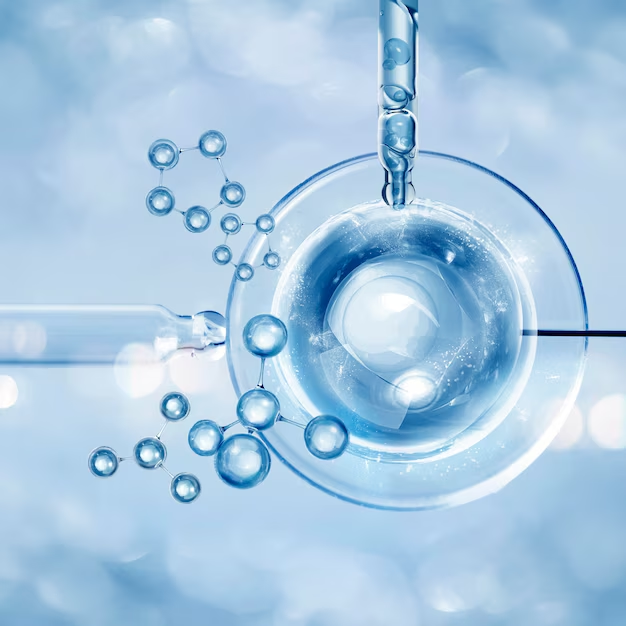
Intracytoplasmic Sperm Injection (ICSI) is an advanced fertility treatment that helps couples struggling with male infertility or previous IVF failures. In this procedure, a single healthy sperm is directly injected into the egg to improve the chances of fertilization.
At Pramukh IVF Center, we use the latest technology and expert care to make the ICSI process safe, effective, and comfortable for couples. Our goal is to provide the best possible chance of achieving a healthy pregnancy with personalized treatment plans.
Who Needs ICSI Treatment?
ICSI treatment is especially helpful for couples who face challenges with natural conception due to male infertility or previous IVF failures. It is recommended when traditional methods of fertilization may not work.
You may need ICSI if:
- Low sperm count – when the number of healthy sperm is too low for natural fertilization.
- Poor sperm motility – when sperm cannot swim properly to reach and fertilize the egg.
- Abnormally shaped sperm – making it difficult for sperm to penetrate the egg.
- Blocked sperm ducts – preventing sperm from being released during ejaculation.
- Use of frozen sperm or surgically retrieved sperm – often needed in special medical conditions.
- Unexplained infertility – when other fertility treatments have not been successful.
- Failed IVF cycles – couples who have not achieved fertilization with conventional IVF.
ICSI Treatment Process in Ahmedabad
The ICSI process is carefully carried out under advanced lab conditions to give the best chance of fertilization. At Pramukh IVF Center, our team ensures every step is done with precision and care.
Step-by-Step ICSI Process:
- Ovarian Stimulation
The female partner is given fertility medications to help produce multiple healthy eggs. - Egg Retrieval
Once the eggs are mature, they are gently collected through a minor procedure. - Sperm Collection & Selection
A sperm sample is taken from the male partner. Our embryologists select the healthiest sperm using advanced techniques. - Sperm Injection (ICSI)
A single healthy sperm is directly injected into each mature egg under a microscope. - Fertilization & Embryo Culture
The fertilized eggs (embryos) are monitored in the lab for a few days to ensure healthy development. - Embryo Transfer
The best quality embryo is carefully transferred into the uterus to achieve pregnancy.
Care Throughout the Process
At Pramukh IVF Center, we support couples at every stage of the ICSI process with advanced technology, expert guidance, and personalized care.
ICSI Treatment Success Rate in Ahmedabad
One of the most common questions couples ask is – “What is the success rate of ICSI?” The good news is that ICSI has proven to be one of the most effective fertility treatments, especially for couples facing severe male infertility.

What is Success Rate of ICSI process
- The average ICSI success rate is around 60–70% fertilization per egg.
- The chances of achieving pregnancy per cycle depend on factors such as:
- Age of the female partner
- Quality of eggs and sperm
- Overall health and medical history
- Previous response to fertility treatments
At Pramukh IVF Center, our advanced technology, experienced embryologists, and personalized treatment plans help couples achieve higher success rates compared to conventional methods.
Why Success Rates Vary in ICSI Treatment
It’s important to understand that success rates can differ from couple to couple. While ICSI increases the chances of fertilization, the outcome also depends on the quality of embryos and how well they implant in the uterus.
Do’s and Don’ts During the ICSI Process
The journey of ICSI treatment requires care, discipline, and the right lifestyle choices. Following medical advice and maintaining a healthy routine can improve the chances of success. At Pramukh IVF Center, we guide every couple on what to follow and what to avoid during the treatment.
Do’s During ICSI Treatment
- Eat a balanced diet – Include fresh fruits, vegetables, whole grains, and protein-rich foods to support reproductive health.
- Stay hydrated – Drink enough water daily to keep your body active and balanced.
- Follow your medication schedule – Take prescribed fertility medicines and supplements on time.
- Get adequate rest – Proper sleep helps reduce stress and boosts overall health.
- Manage stress – Light yoga, meditation, or relaxation techniques can help keep you calm.
- Follow doctor’s advice closely – Attend all appointments and keep open communication with your fertility specialist.
Don’ts During ICSI Treatment
- Avoid smoking and alcohol – Both can reduce fertility and lower treatment success rates.
- Limit caffeine – Excess tea, coffee, or energy drinks may affect fertility.
- Do not self-medicate – Avoid over-the-counter medicines without your doctor’s approval.
- Avoid heavy exercise or lifting – Strenuous activity may interfere with the treatment process.
- Reduce stress triggers – Avoid unnecessary stress, as it can affect hormonal balance.
Risks of ICSI Treatment
ICSI is considered a safe and effective fertility treatment, but like any medical procedure, it does carry some risks. At Pramukh IVF Center, we ensure complete transparency so couples are well-informed before starting the process.
Possible Risks of ICSI Treatment
- Egg Damage
In some cases, the process of injecting sperm into the egg may cause minor damage to the egg. - Fertilization Failure
Even with ICSI, not all eggs fertilize successfully. This depends on the quality of both eggs and sperm. - Multiple Pregnancy
If more than one embryo is transferred, there is a chance of twins or triplets, which may carry pregnancy-related risks. - Birth Defects (Rare)
Studies show that the risk of birth defects in ICSI babies is slightly higher compared to natural conception, but still very rare. Most babies born through ICSI are healthy. - Ovarian Hyperstimulation Syndrome (OHSS)
In rare cases, the fertility medicines given for egg stimulation may cause side effects like bloating, discomfort, or fluid retention.
Safe and Trusted Care
Our specialists at Pramukh IVF Center take every precaution to minimize these risks. With advanced technology, expert embryologists, and personalized treatment plans, we make the ICSI journey as safe and comfortable as possible for every couple.
Why Choose Pramukh IVF Center for IUI Treatment in Ahmedabad ?

1000+
IVF

10,000+ Healthy Babies

Clinical Excellence

Personalised Treatments

Comprehensive Care
Frequently Asked Questions
What is the success rate of ICSI treatment?
The success rate of ICSI depends on factors like the woman’s age, egg and sperm quality, and overall health. On average, ICSI has a fertilization success rate of 60–70% per egg, and pregnancy chances are often higher compared to conventional IVF.
Is ICSI treatment painful?
No, ICSI itself is not painful. Egg retrieval is done under anesthesia, and embryo transfer is a simple, painless procedure. Some women may feel mild discomfort or bloating due to fertility medications.
Who should consider ICSI?
ICSI is recommended for couples with low sperm count, poor sperm motility, abnormally shaped sperm, blocked ducts, previous IVF failures, or unexplained infertility.
What is the difference between IVF and ICSI?
In IVF, many sperm are placed near the egg to fertilize naturally. In ICSI, a single healthy sperm is directly injected into the egg, which increases the chances of fertilization in cases of male infertility.
Is ICSI safe for the baby?
Yes, ICSI is generally safe. Most babies born through ICSI are healthy. The risk of birth defects is slightly higher than natural conception, but still very rare.
How long does the ICSI process take?
The complete ICSI cycle usually takes about 4–6 weeks, including ovarian stimulation, egg retrieval, fertilization, and embryo transfer.
Can ICSI be successful in the first attempt?
Yes, many couples achieve pregnancy in the first attempt, but success depends on individual health factors. Sometimes more than one cycle may be needed.